Buying your first home? From location to hidden costs, here are 5 things you must consider before signing.

Buying your first home is exciting — but it’s also one of the biggest financial commitments you’ll ever make. Beyond price and aesthetics, there are key factors that first-time homebuyers should weigh before putting pen to paper. Here are five essential considerations:
Where your home is located will affect your daily life more than you might realise.
Start by considering not just the distance to work, school, or family, but also the quality and reliability of your commute. Check public transport options, traffic, and future projects around the vicinity. If you drive, study the traffic patterns during peak hours and think about alternative routes. Don’t underestimate how even a 15–20 minute difference in travel time can impact your daily routine. A shorter, smoother commute doesn’t just save time — it reduces stress, petrol costs, and your vehicle's mileage.
Beyond daily travel, you may also like to consider factors like how easy it is for guests to reach your home, or whether emergency services can access the area conveniently. Also, think about local conveniences such as nearby shops, clinics, or community facilities that can make life easier in small but meaningful ways.
Ultimately, a good location isn’t just about being close to work; it’s about making your day-to-day life smoother, less stressful, and more predictable.

Ask yourself this question: "What truly matters to your daily life and routines?"
Do you prefer living close to grocery stores so you can grab essentials quickly, or are you more likely to shop online and have things delivered? Are there gyms, fitness studios, or jogging trails nearby if staying active is important to you? Even the little things count: how easy is it to run errands, walk your dog, or get home during rush hour matters. Your home should make your everyday routines smoother, more enjoyable, and stress-free, rather than adding unnecessary complications.
For families, having parks, playgrounds, or recreational spaces within walking distance can make a huge difference in day-to-day life.
Also, pay attention to the neighbourhood, whether it is quiet and peaceful, or vibrant and lively, and consider if it affects your daily routines, work-from-home needs and overall lifestyle preferences.

The listed price of a property is just the beginning.
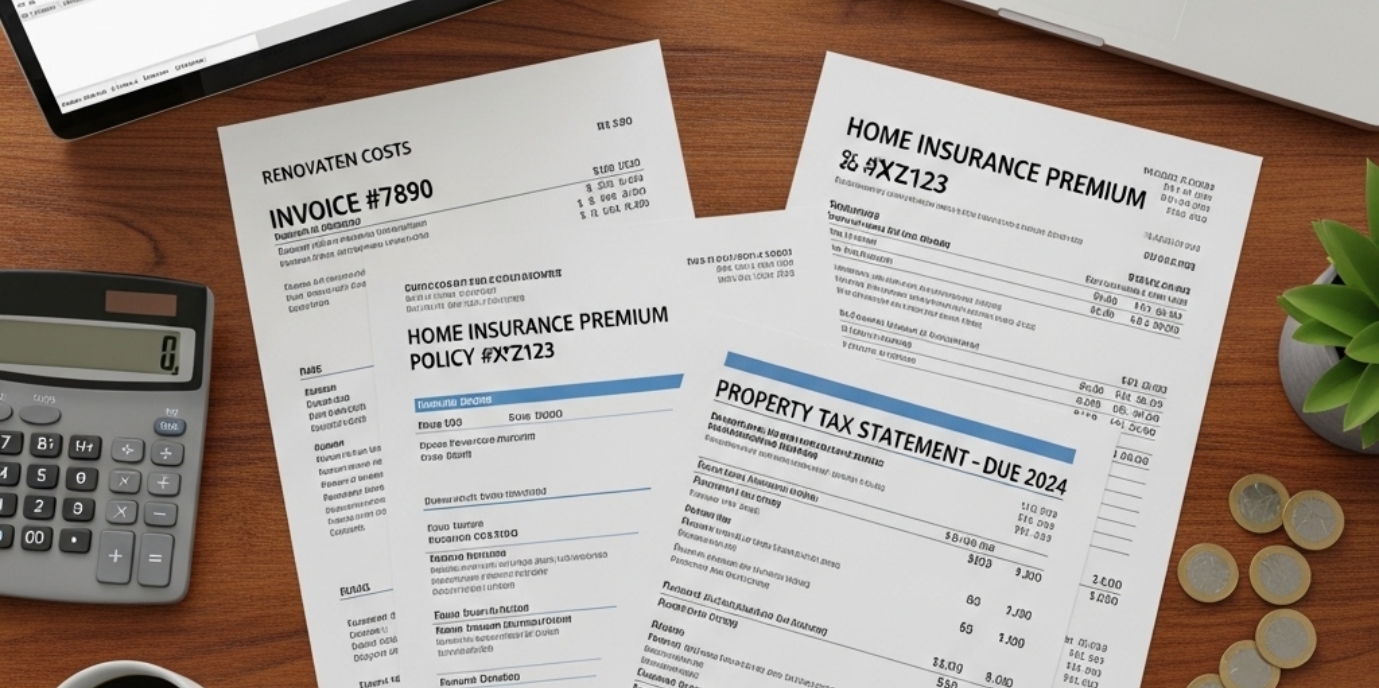
First-time buyers often overlook hidden cots, which can include renovation, home insurance, property taxes, monthly utility bills, and maintenance fees. It’s important to set a realistic budget and leave room for unexpected expenses. Overstretching financially can turn your dream home into a source of stress.
Sit down with a realistic budget, run the numbers carefully and factor in potential future changes like family expansion, career shifts, lifestyle upgrades or having to take care of aging parents.
Think practically about your space needs—not just today, but for the next 5–10 years. How many bedrooms or bathrooms do you require? Do you need storage, a home office, or a guest room?
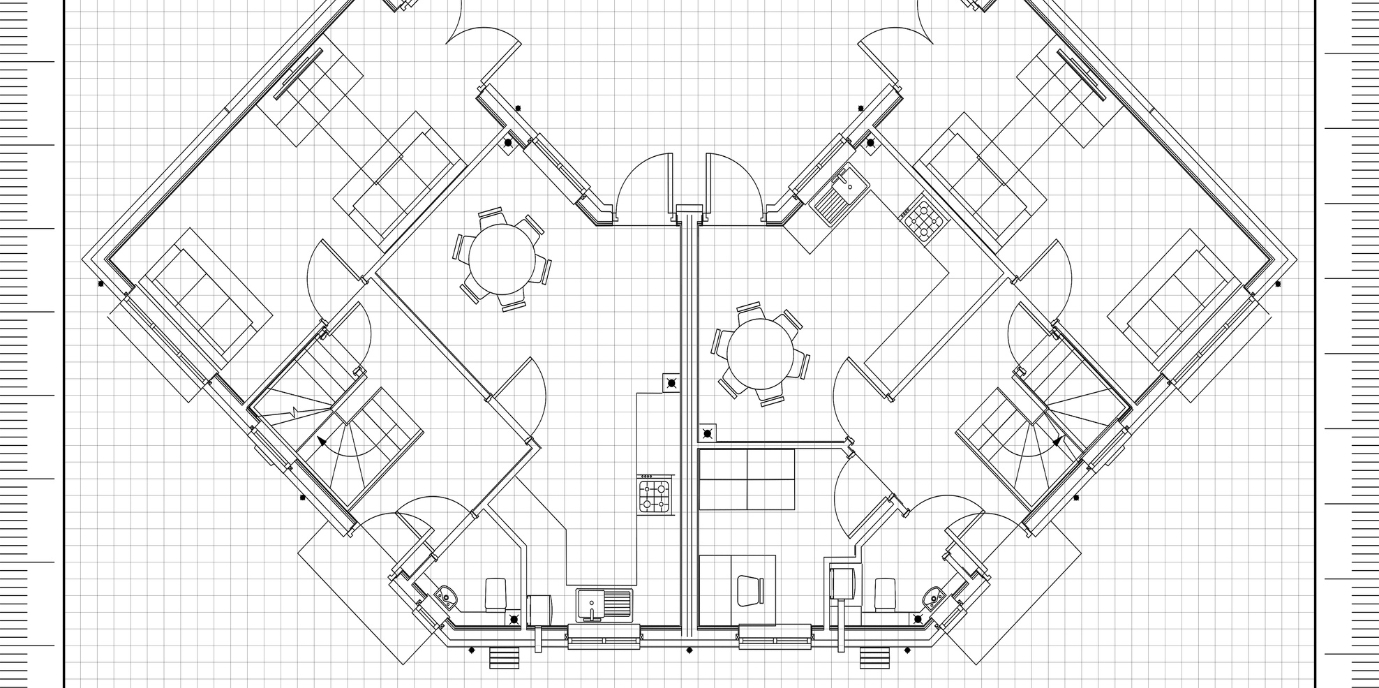
Layout matters as much as size. An awkward floor plan or poorly designed storage spaces can make daily life inconvenient and renovations expensive. For instance, open-plan kitchens may look modern, but consider noise, cooking smells, and furniture placement. Evaluate natural lighting, ventilation, and the flow between rooms.
Even if you plan to stay long-term, considering your property’s resale value is smart. Properties near reputable schools, MRT stations, or future development areas tend to hold value better.
Do some research on property trends in the neighbourhood. Consult a real estate agent if needed, and consider whether your home can attract future buyers easily. A strategic choice now can save money and stress if you decide to sell or upgrade later.

With all things you should consider, there are things that you shouldn't be doing too. Here's 2 things you might want to avoid:
New launch contracts often have clauses you might not notice at first glance—such as sinking funds, service charges, or construction timelines. Read everything carefully and clarify doubts before signing. A small oversight can cost thousands in the long run.
It’s easy to fall in love with a property’s décor, view, or trendy interior finishes. But emotional buying can overshadow practical considerations like commute, budget, and resale potential. Always weigh your feelings against facts to make a smart, balanced decision.
Buying your first home is a huge step, and preparation is key. By carefully considering location, amenities, budget, space, and future potential, you’ll make a decision that suits both your lifestyle and your finances. Remember: a home isn’t just where you live—it’s an investment in your future.
Looking for your new home? Drop a Whatsapp to our expert today and let us guide you through every step of the journey with confidence.