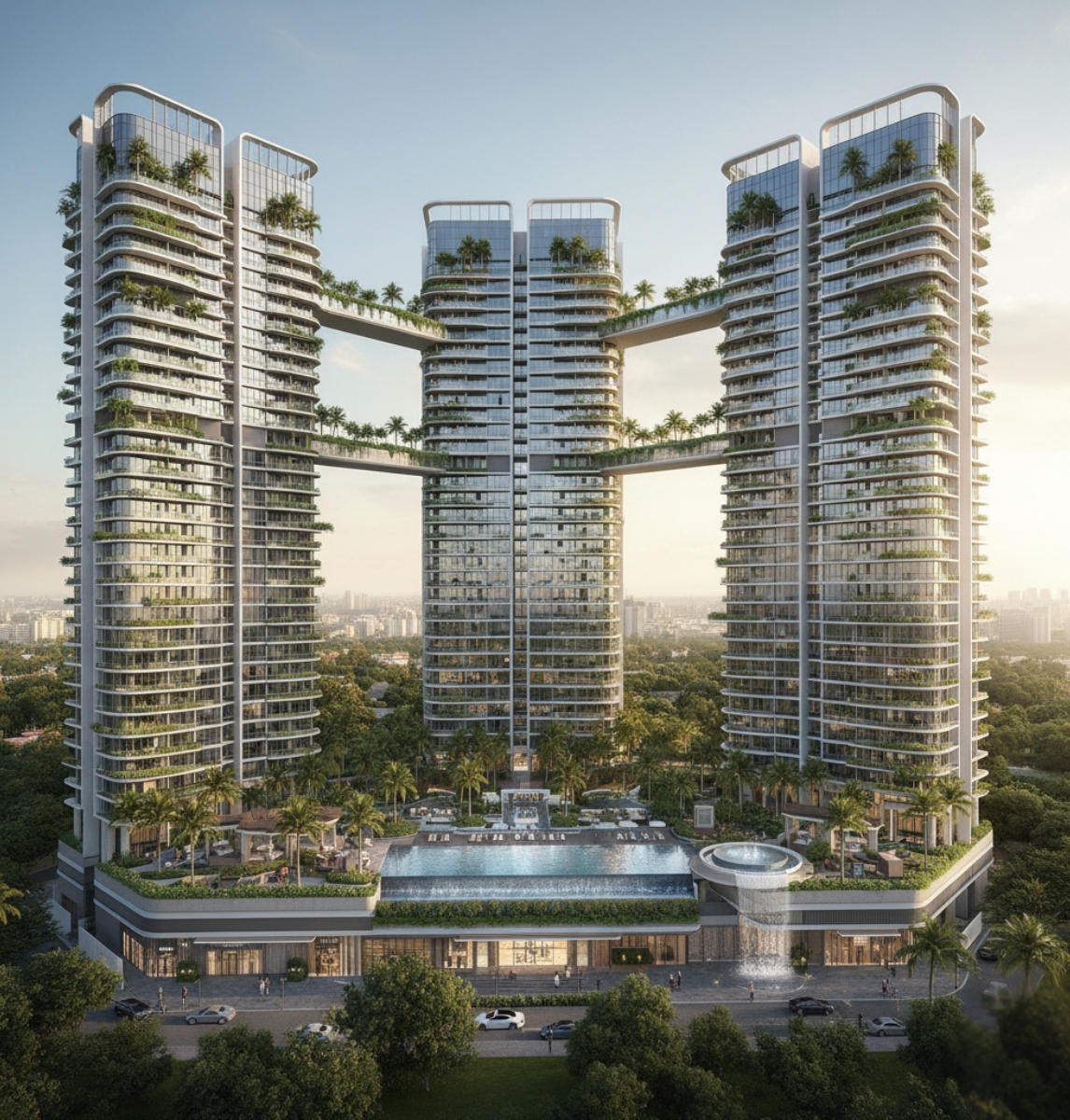
Buying your first BTO or reaching MOP? Here’s how to plan your next move, upgrade smartly, and grow your wealth.

For many Singaporeans, buying a home isn’t just about having a roof over your head — it’s a major milestone and the foundation for long-term financial growth. Whether you’re applying for your first BTO or your flat is reaching its Minimum Occupation Period (MOP), understanding each stage of your property journey helps you make smarter, future-focused decisions.
Here’s a simple roadmap to guide you through it.
Buying a Build-To-Order (BTO) flat is often the first step for young couples and new homeowners. But before you click “Apply,” there are key factors to consider:
Location and connectivity
Consider proximity to MRT stations, major expressways, schools, and future developments. A BTO in a growth area (like Tengah or Punggol when they were new) may appreciate faster than one in a mature estate.
Affordability and Grants
Plan your budget carefully — think beyond the purchase price. Factor in renovation, furnishing, and monthly mortgage commitments. Don’t forget to explore CPF Housing Grants like the Enhanced Housing Grant (EHG) which can make a big difference.
Waiting Time
Some BTO projects take up to 4–5 years to complete. If you need a home sooner, consider Sale of Balance Flats (SBF) or resale HDBs as alternatives.
Future Value
Even though your BTO is a home, it’s also an investment. Flats in well-connected or transforming neighbourhoods (e.g., areas near new MRT lines or town rejuvenation plans) tend to see stronger resale demand after MOP.
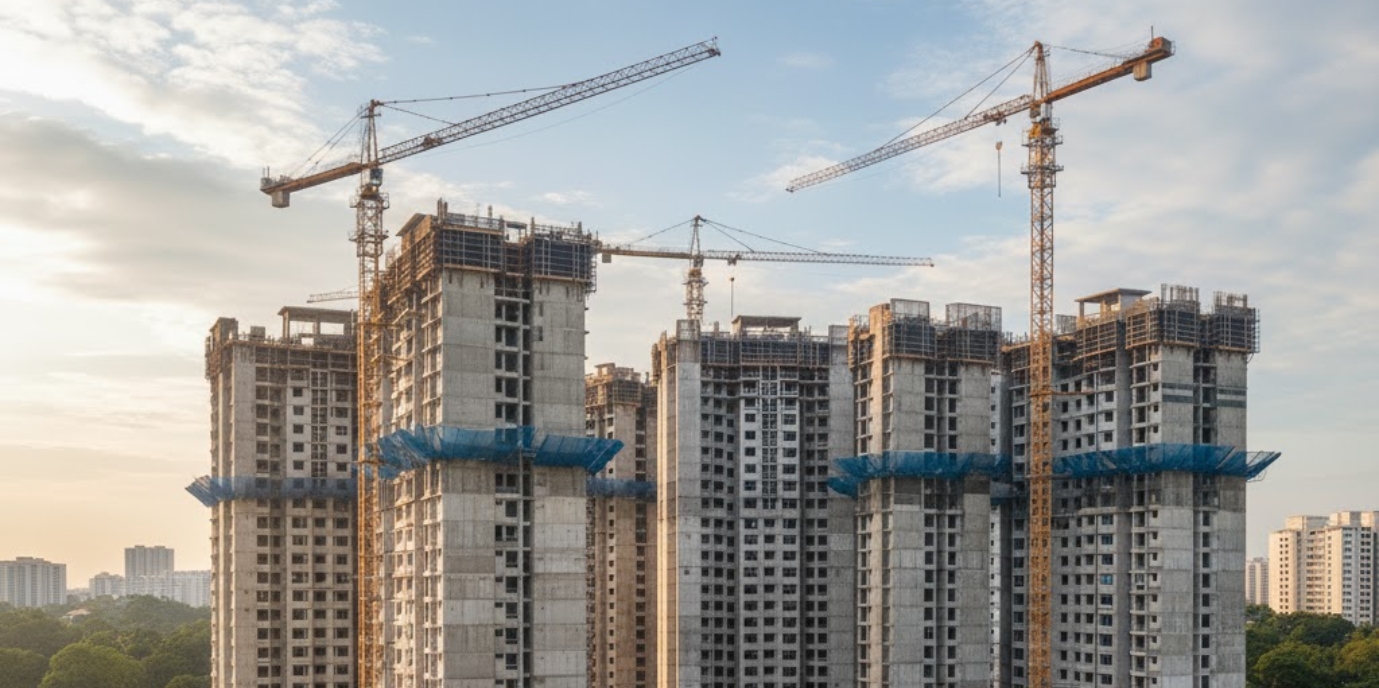
After living in your flat for five years, you’ve officially reached the Minimum Occupation Period (MOP). Congratulations — you now have options.
At this point, many homeowners start to ask:
“Should I sell, rent, or hold?”
Here are your main paths forward:
Option 1: Sell and Upgrade
If your household income and finances have grown, you might consider upgrading to a private condominium or executive condo (EC).
Selling your BTO can unlock equity (especially if it has appreciated).
Upgrading lets you enjoy lifestyle amenities and potential capital growth in the private market.
However, factor in Additional Buyer’s Stamp Duty (ABSD) if you plan to buy before selling your HDB.
Option 2: Keep and Rent It Out
Once you’ve fulfilled the MOP, you can rent out your entire flat (if you move out) or individual rooms for passive income.
This can be a good strategy if your flat is in a prime location with strong rental demand.
Option 3: Buy a Second Property
Some homeowners choose to keep their HDB and purchase a private property — often for investment.
It’s a great way to grow your wealth, but it does come with higher upfront costs.
If you already own a property, ABSD applies. For Singapore Citizens, you’ll pay the “second property” ABSD rate.
Foreigners generally pay higher rates — except for citizens of certain countries like the United States, who enjoy ABSD remission on their first residential property under the US–Singapore Free Trade Agreement (FTA).

Your property journey doesn’t stop at your first flat — it evolves with your life stage, income, and goals.
Here’s a simplified roadmap:
Your route depends on finances, family plans, and risk tolerance. For example, retaining an HDB and buying a private property can generate income and diversification — but requires careful ABSD and financing planning.
Timing and structure are everything. A good property advisor will help you:
With the right guidance, you can move confidently and make every property decision work harder for you.
Your first BTO is just the beginning of your property story. With the right planning, each stage — from applying to upgrading — can bring you closer to long-term financial stability and freedom.
🏡 Ready to plan your next move after MOP?
Talk to a trusted property consultant at Property Sense and discover how to grow your wealth through smart, strategic property moves.